Most nonprofits start with a founder who has a cause they care about. Ambitious Impact (AIM) tries to found nonprofits in reverse: its staff research the most cost-effective interventions, then recruit entrepreneurs to launch organizations around them.
Since 2018, AIM’s flagship program — Charity Entrepreneurship (CE) — has helped founders create nonprofits focused on everything from farm animal welfare to lead poisoning to premature infant mortality. If an intervention can cost-effectively help people or animals, CE is interested, regardless of cause area.
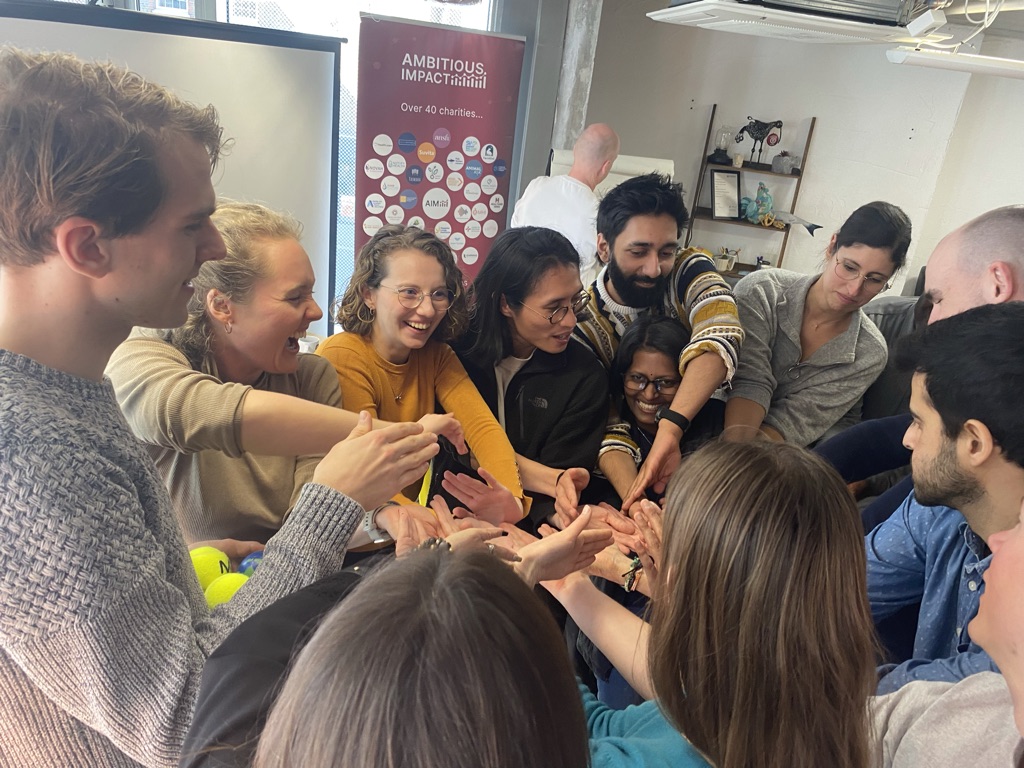
Unlike most incubators, CE doesn’t ask founders to bring their own idea. Instead, CE staff research evidence-backed interventions, then match strong entrepreneurs to them. Entrepreneurs then participate in an intensive eight-week incubation program, where they’re paired with various ideas and co-founders to see which combinations work best. They also learn to evaluate cost-effectiveness evidence, alongside skills such as budgeting and developing a one-year plan. After the program concludes, entrepreneurs pitch CE’s seed funding network, where roughly 85% of participants secure funding for their first year of operations.
To date, CE says they have helped to launch over 50 nonprofits that together reach 75 million people and 1 billion animals. Borrowing from the for-profit playbook, the organization tracks observable metrics and is willing to pivot fast when an intervention isn’t delivering for its beneficiaries.
We spoke with Samantha Kagel, who was named the CEO of Ambitious Impact last December. We talked about what makes nonprofit entrepreneurship distinct from its for-profit counterpart, why starting fresh often beats reforming existing organizations, and how AIM keeps finding promising ideas across eight years of cohorts.
(This interview has been edited for style and clarity.)

What is nonprofit entrepreneurship, and how does it differ from for-profit entrepreneurship?
For-profit entrepreneurs optimize for profit by seeking solutions to problems that people will pay for. Through our model, nonprofit entrepreneurs seek problems where they can found charities that set the gold standard for cost-effectiveness in their sector. The recipe for success is pretty similar across both — you want a great idea and a highly skilled team, with strong feedback loops to measure and iterate your work quickly against your goals.
One key difference is that nonprofit entrepreneurship is generally less efficient, because for-profit companies face market pressure to solve real problems or risk losing funding and customers. But nonprofit entrepreneurship is also much less common than its for-profit counterpart, which means that there’s a lot of low-hanging fruit that we think our systematic approach is well-suited to find.
What are a few of your most successful incubatees?
I think several incubatees have delivered pretty exceptional impact and also had broader ecosystem effects; I’m particularly excited about those.
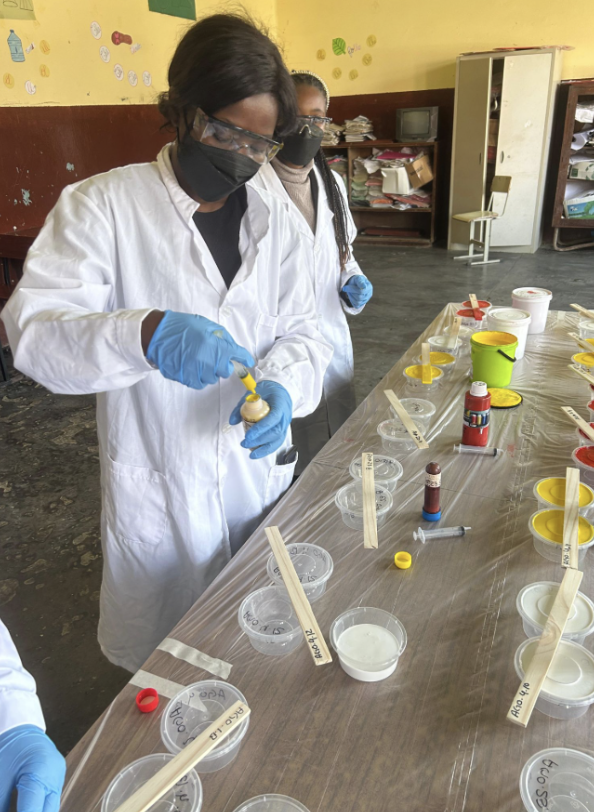
LEEP, the Lead Exposure Elimination Project, comes to mind. Lead paint exposure in children damages their health and cognition for the rest of their lives. When we first looked into this issue, very few people were working on it. LEEP launched with a simple, effective model to help governments reduce the sources of lead poisoning in their respective countries. They had some incredible early wins, and they’re now working with governments in over 40 countries to protect an estimated 50 million children from lead poisoning. These immediate effects are really wonderful, but they’ve also helped to publicize lead exposure as a cause.
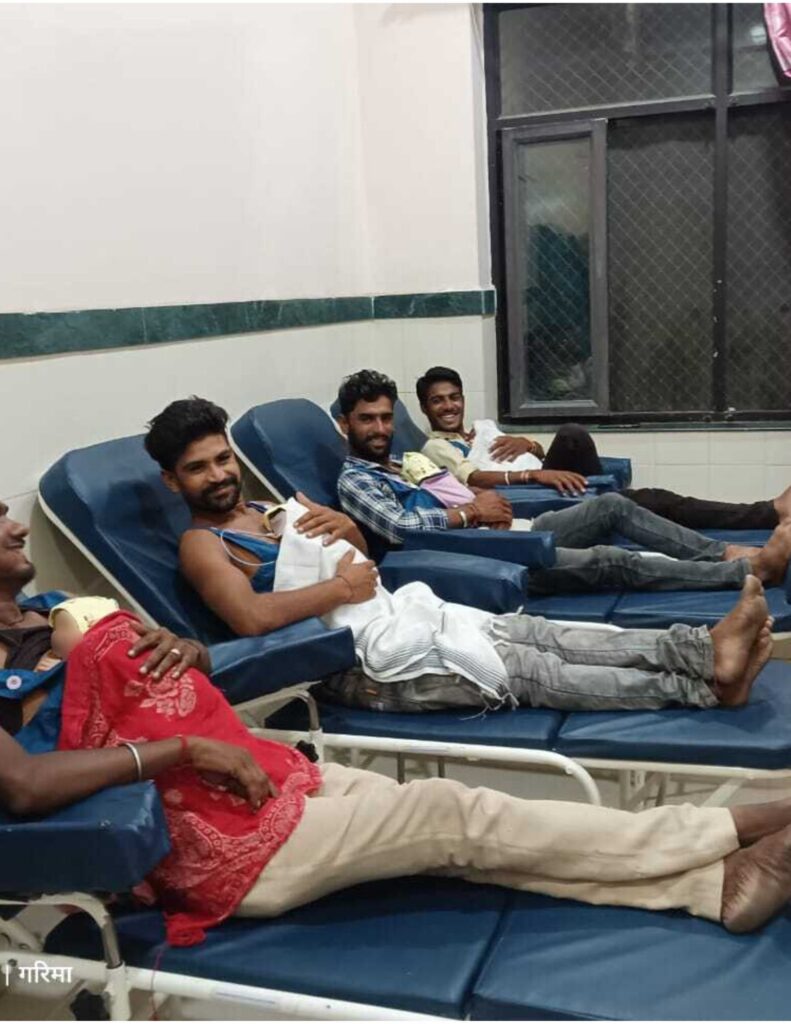
I’m also excited about Ansh, a newer organization we helped to start. They provide “kangaroo care,” or skin-to-skin contact, to premature babies, which has been shown to reduce mortality by around 30% compared to standard electric incubators. Ansh works primarily with hospitals in India, training and building out their nursing staff.
When they were getting started, an obvious question was, “Why don’t existing organizations just scale?”
But we found that focusing on training and equipment rather than setting up entire wards was more cost-effective, and Ansh was well-placed to step in. They estimate that they saved 150 lives in their first year, and are currently treating over 1,600 babies each month. GiveWell’s scale-up grant of nearly $2 million was a major vote of confidence, especially for such a new organization.
What are the benefits of starting an impact-focused nonprofit from scratch, rather than trying to start the project within a larger NGO with more resources?
If you’re working in a neglected area or exploring a new intervention, starting an organization is often more impactful. Focusing solely on cost-effective, scalable impact in one domain seems more likely to succeed than trying to change or tack onto an existing organization with preexisting systems and values.
Small organizations are also generally equipped to move much faster: to take more risks, recover from mistakes, and quickly iterate. At a larger organization, you may have to go through a chain of command or compete with other departments for resources. In some cases, an established NGO is beneficial, especially if a pilot relies primarily on influencing hard-to-reach stakeholders or absorbing large amounts of upfront capital.
Lastly, we think there are additional ecosystem or field-building benefits to starting a new organization. It’s arguably easier to attract additional attention, funding, resources, and talent into a neglected area, whereas this might go unnoticed if it’s a small part of a larger project.
How do you measure the success of these nonprofits? What metrics matter most?
We estimate an organization’s counterfactual impact — what wouldn’t have happened had these organizations not come into existence. To do this, we consider the net number of humans or animals helped and how much they are helped, divided by the cost. On the human side, we look at DALYs, or disability-adjusted life years. On the animal side, we have a similar metric called suffering-adjusted days, or SADs.
One of the main sources is the nonprofit’s own Monitoring and Evaluation (M&E), which they report back to us annually. During the program, we teach participants to rigorously track the outcomes of their work and provide support as they pilot to establish the right benchmarks.
For input, we consider the money, but also the staff: what could they be doing otherwise? We take a pretty conservative approach here, because we know that the funding and talent could be going to other really impactful organizations.
How do you balance providing guidance and giving program participants the opportunity to explore?
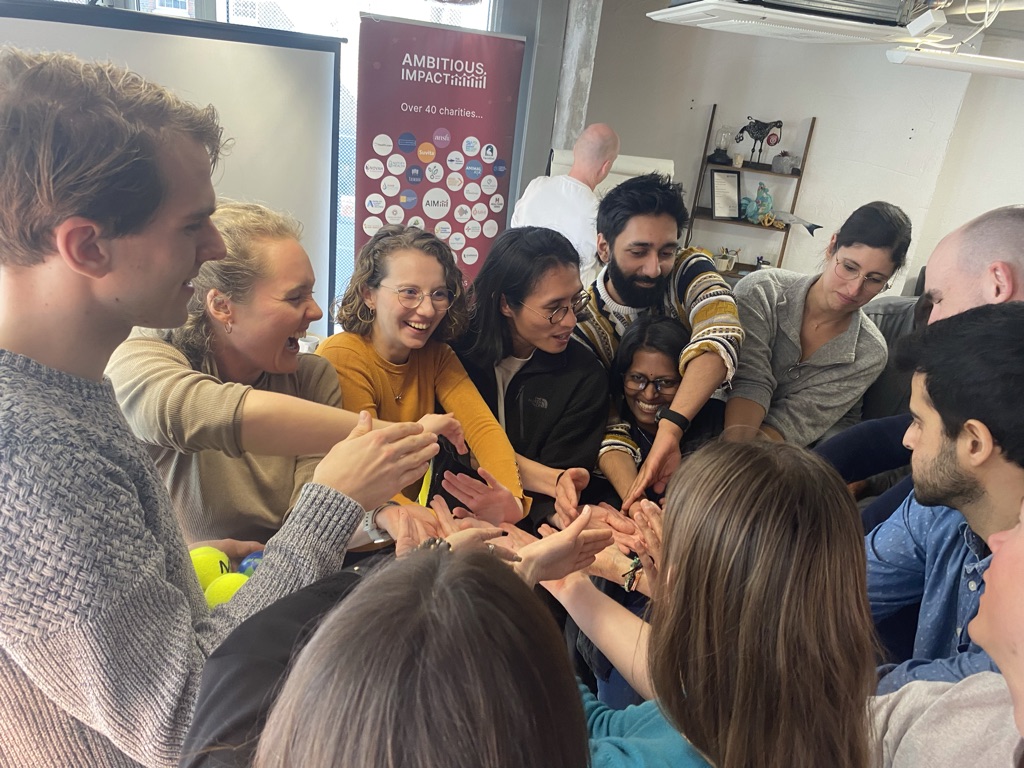
The first few weeks are quite structured, but as the program progresses, participants assume greater control. And by the end, we’re like, “Hey, here’s this big hairy goal. You have two weeks to do a good job. Good luck!”
We try to instill an entrepreneurial mindset, thinking of ourselves much more as facilitators than teachers or managers.
By the end of the program, roughly 25% of the orgs that we launch diverge from our initial guidance — for example, by validating a new or pivoted theory of change, or launching with three founders instead of two. That’s largely due to the participants using their own expertise to launch the best nonprofit they can.