You’ve spent 38 years working on pesticide issues — an impressively focused career. What led you there?
“Focused” is an interesting way of putting it! I see it as a series of fortunate accidents.
My first subject in university was engineering, but I didn’t particularly like it. I used to hang out with sociology and art students who were much cooler than the engineers, and they would talk about environmental issues. Those conversations inspired me to study ecology — even though I didn’t have the first idea what ecology was.
It turned out to be the study of how organisms and environments are interconnected. I found this endlessly fascinating, especially the ecology of pest control in agriculture, because I had grown up in agricultural environments. I’d used — and abused — pesticides as a teenager.
You grew up on a farm?
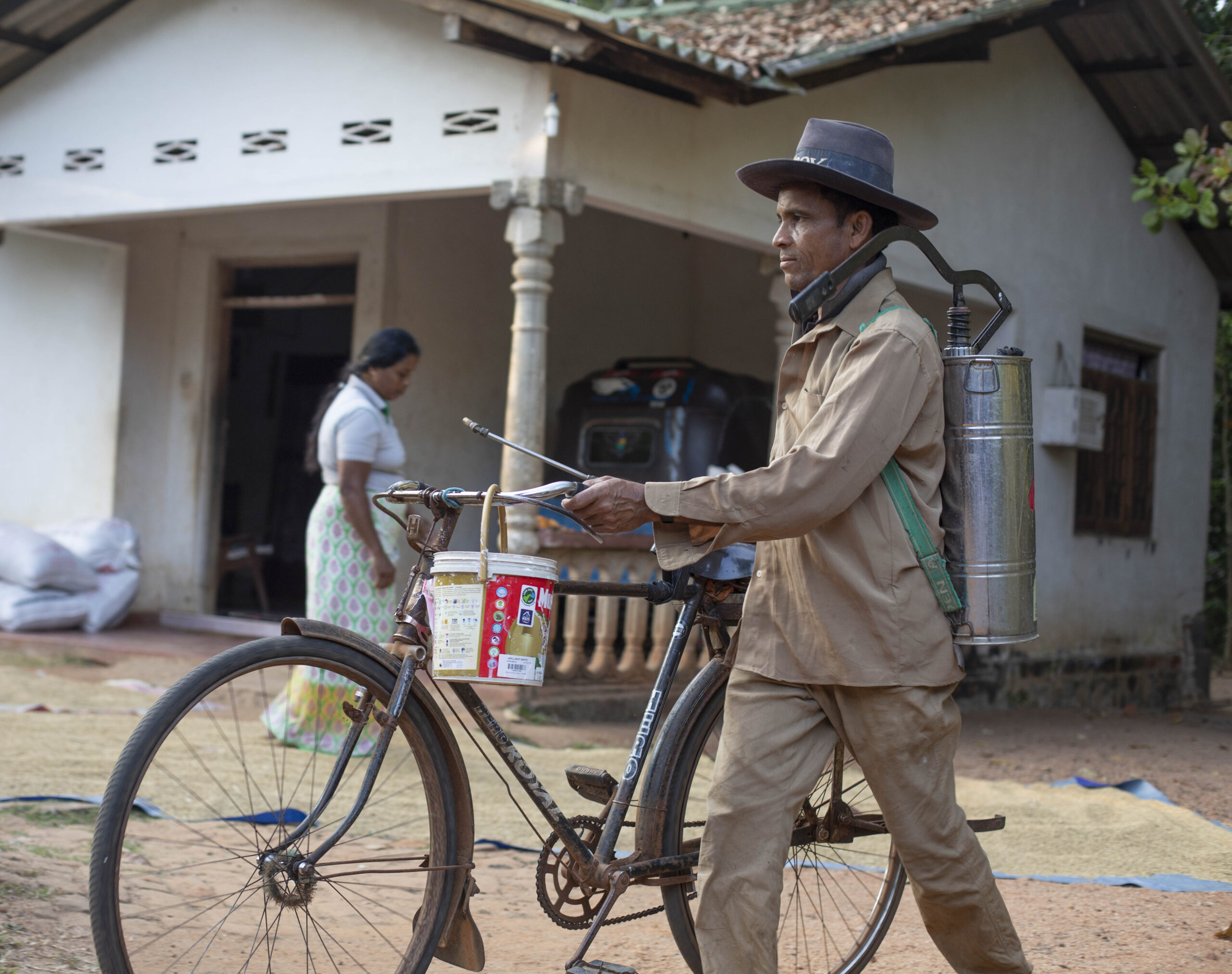
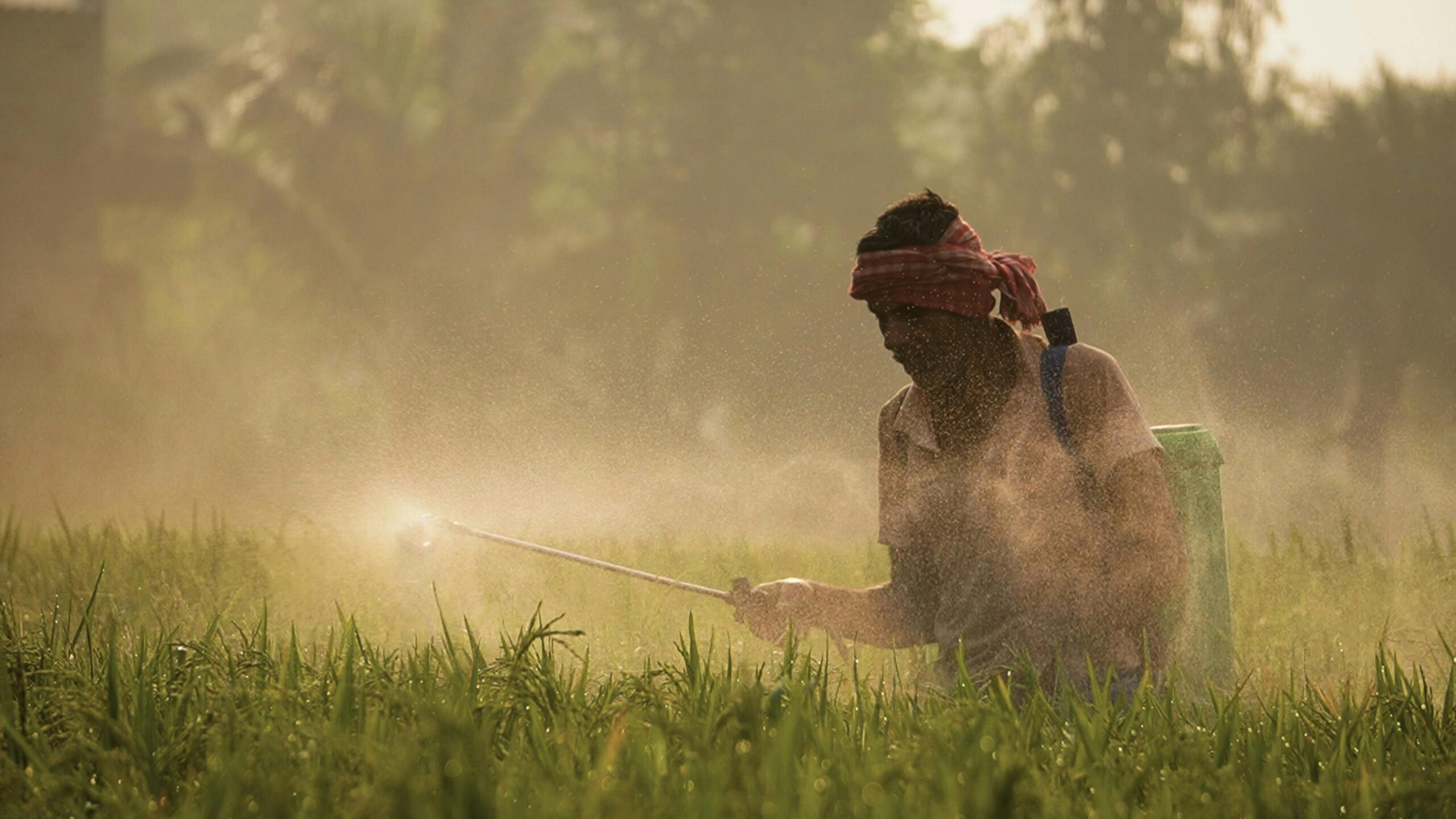
My parents were members of a kibbutz in Israel. I worked in the cotton fields and scouted for pests. If we found too many in one place, I’d stand there and wave a flag to show the crop dusters where to spray pesticides. I’d regularly be coated with organophosphates, become quite ill, then get up the next day and go back to work.
So having started from that perspective, I was now learning that pesticides weren’t a sustainable solution to agricultural problems. We were turning to science for answers when we needed to be looking at nature instead.
You started working on pesticides out of concern for the environment. But at CPSP, you focus on the human cost of pesticides being too readily available. Did you take the job partly because you wanted to help people more directly?
The real answer is that working for the U.N. means having a fixed retirement age. When you turn 62, they wave goodbye and show you the door.
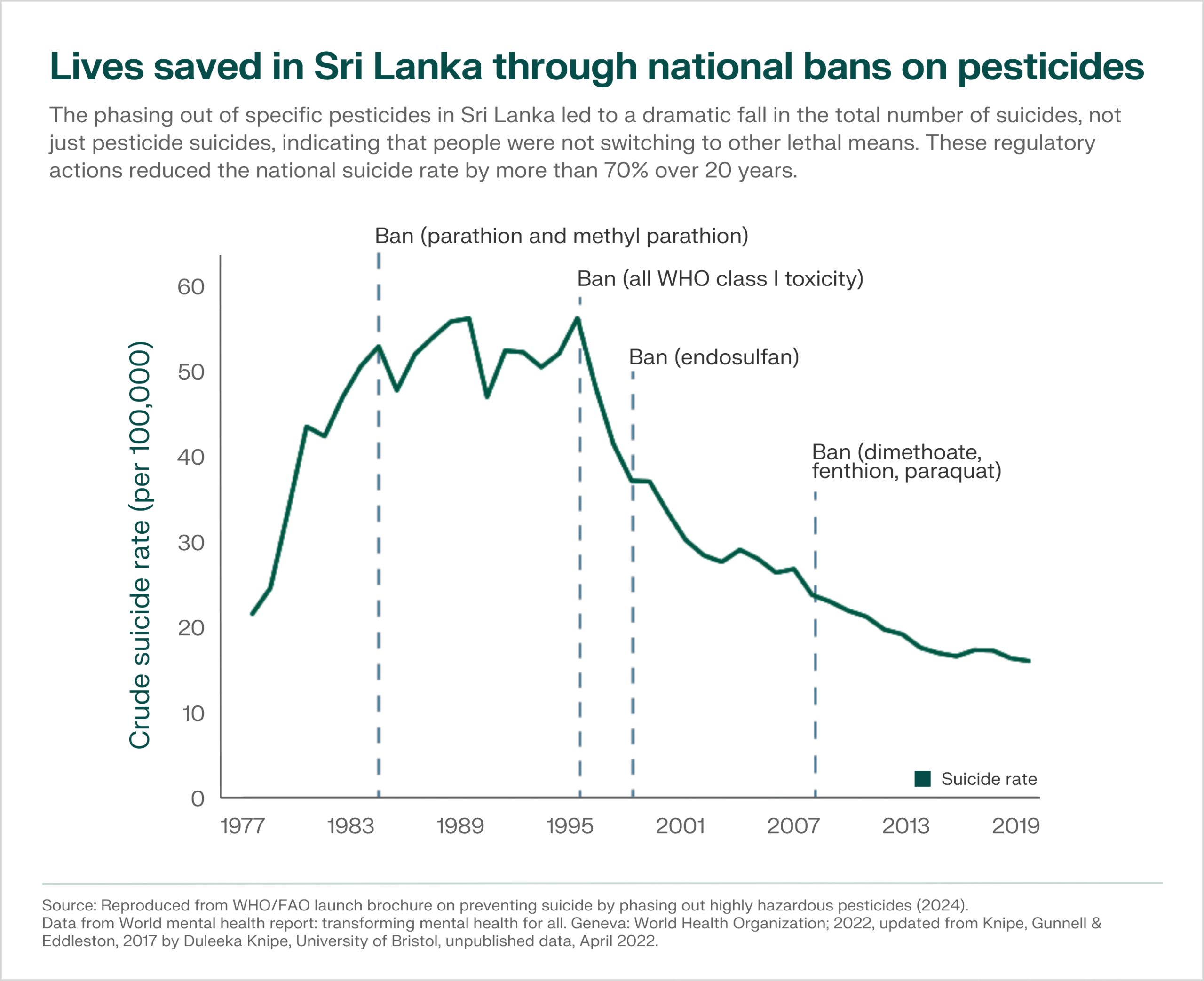
At 62, of course, we still have lots of energy and are not quite ready to put our slippers on and our feet up on the sofa. And I knew Michael Eddleston [CPSP’s director] from my work at the UN — including in Sri Lanka, where we developed the model we’d use later with CPSP. I had long been interested in pushing the boundaries of how people understand sustainable crop management. How do we feed a growing population while addressing issues like climate change and resource limitations? How can we intensify production in a way that will be sustainable for the next 100 years?
And that’s exactly what I work on at CPSP now. While Michael and other staff handle the medical side of things, I focus on crop production and agricultural policy. When we open a dialogue with regulators and agricultural officials, I tell them: “You can do things without relying so heavily on these toxic chemicals. You will make your agriculture both more sustainable and safer for the people working on farms. The food in local markets and destined for export will be free of toxic residues. The environment will be cleaner and biodiversity will improve. And on top of all that, you’ll also save lives that are being lost through self-harm because those chemicals are present in agricultural communities.”