Coefficient Giving’s “Day in the Life” series showcases the wide-ranging work of our staff, spotlighting individual team members as they navigate a typical workday. We hope these posts provide an inside look into what working at Coefficient is really like. If you’re interested in joining our team, we encourage you to check out our open roles.
Sharon Yang is a senior communications officer at Coefficient Giving, where she leads media relations across our full range of funds. Before joining Coefficient, Sharon worked in Democratic politics, including as a national spokesperson on the 2024 Kamala Harris presidential campaign and deputy communications advisor in the White House Counsel’s Office. Outside of work, she’s a devoted Solidcore regular, a newly minted cinephile, and an enthusiastic but irregular dinner party host.
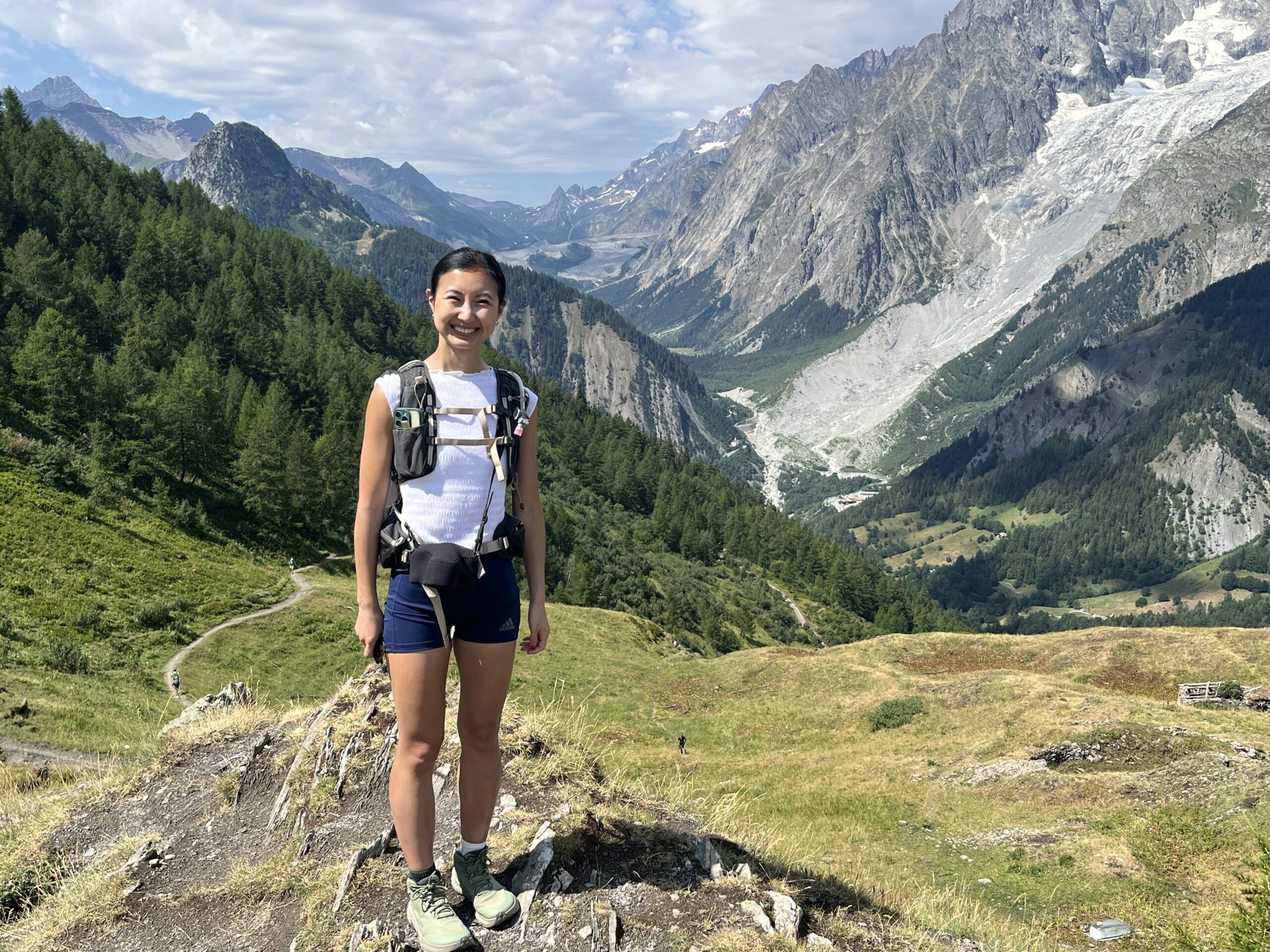
Sharon while hiking the Tour du Mont Blanc in France.
It’s an exciting time to be on the communications team here at Coefficient Giving. In the last two years, Coefficient’s profile has grown significantly as we’ve launched major collaborative funds like the Lead Exposure Action Fund and the Abundance & Growth Fund and significantly scaled our grantmaking, including directing more than $1 billion in giving last year, the most in our history. More broadly, it’s energizing to be at Coefficient during what feels like a very big moment for philanthropy — our largest funding partner, Good Ventures, is accelerating its giving, and the AI boom seems poised to drive a major surge of new philanthropic capital.
Our comms team has grown significantly to meet this scale — more than doubling to seven people in the past two years (and still hiring!). Our team serves both an internal function — such as advising grantmakers on the risks of potential grants — and an external one, including shaping how we communicate our work and ideas to the world.
I focus on the media relations portion of our portfolio, which encompasses both the reactive (such as fielding inquiries from reporters) and the proactive (pitching coverage of Coefficient and our grantees). I like knowing a little bit about everything, and I love how people-facing my job is. On any given day, I might work with our operations, legal, partnerships, and grantmaking teams, plus external consultants and reporters, on projects spanning our issue areas.
As an early riser, I typically start my day before I’m physically “at work.” While I putter around in the morning, I scroll through X, skim push alerts, and read newsletters (like Politico, Semafor, my favorite Substacks, etc.). Staying on top of the discourse and flagging relevant stories for the right people on the team, especially around global health and AI, is a big part of doing my job well.
I try to keep my mornings meeting-free, so after I arrive at our lovely office in the Financial District, I spend the first stretch triaging my inbox and Slack. Today, an inquiry came in from a major outlet: A reporter wants to write a feature on our approach to AI grantmaking and is hoping to interview our CEO Alexander Berger or a senior member of our Navigating Transformative AI team for the piece.
My sense from the reporter’s email and my skim of the reporter’s recent coverage indicates that it’s probably worth engaging if we can make a senior leader available to talk, so I lean across my desk to make my initial recommendation to my manager Naina Bajekal, who leads the Comms team, before scheduling a quick call with the reporter to learn more.
As media interest in our work has grown, so has demand for interviews with staff. Today, I’m getting ready for a prep session I’m running for an on-camera interview our CEO Alexander is doing later this month. Preparing our spokespeople is one of my favorite parts of the job. It’s my responsibility to anticipate questions reporters might ask, craft messaging guidance, and give feedback during prep sessions.
Sometimes my notes are substantive: Here’s how to land this message more effectively, and here’s how I would sharpen that point. Other times they’re stylistic points about things like body language or tone of voice. Our leadership and program staff are really sharp and thoughtful and tend to be unusually receptive to feedback, which makes the whole process much more rewarding and collaborative. Some of my proudest moments include helping our chair, Cari Tuna, prepare for a profile in Forbes, and getting Alexander ready for high-stakes interviews with outlets like the AP and Vox.
Around midday my phone buzzes: Lunch has arrived! (Today it’s a mapo tofu bowl from Málà Project.) Those of us who aren’t in meetings grab our food and eat together in the common area. I’m an in-person work evangelist — I love the energy of actually being in-person with my colleagues (the endless snack supply doesn’t hurt either). More on how Coefficient approaches in-person and remote work here!
In the afternoon, I have my meeting block. First up are my weekly one-on-ones with my two direct reports, editors Britney Budiman and Jeremy Klemin, who are both based on the West Coast. We talk through their priorities — Jeremy is editing a major donor-facing memo and a Request for Proposals we’re about to launch; Britney is writing our internal staff newsletter and pushing several staff-authored blog posts forward — and I give feedback on priorities and field their questions. Coefficient takes management seriously; we continually invest in helping people do their best work through regular feedback, check-ins, and support for upskilling. For example, my reports are currently in a reading group to build more context on the AI safety landscape. My early career mentors did so much to pull me up alongside them, and I try to pay that forward by mentoring my team.
Next I have a call with our external consultants at Global Health Strategies, who help us shape proactive communications on our global health work. We run through our top priorities and decide on next steps: a story we are helping place about a grantee’s malaria vaccine research, an op-ed for a recently launched fund, and a push tied to the U.N. General Assembly in the fall to spotlight the issue of lead exposure.
In between tasks, my teammate Hannah Yang‘s screen catches my eye (we sit next to each other) — the creative agency redesigning parts of our website has just sent over mock-ups, and it’s fun to get a sneak peek of the new graphics. Naina also briefly pulls me aside to ask for my take on a D.C.-based grantee’s work. Part of my job is to be a helpful thought partner to Naina and others on the team, including on tricky risk assessment issues, and it’s especially nice when my experience from my previous life in political communications is an asset.
I also notice the reporter from this morning has written back saying that she’s available for a call. When we get on the phone, we chit chat for a bit before diving in. I learn more about her angle and deadline, and share how we think about AI grantmaking at a high level, including discussing topics like why we fund both progress and safety and how accelerating AI progress has heightened the stakes of CG’s work. We end by making plans to get lunch the next time I’m in the Bay Area, where she’s based. Afterward, I send Naina and the team a quick readout and a recommendation for next steps.
As the New York office’s unofficial social chair, my final task of the day is suggesting a few possible dates for a group outing to a baseball game. Beyond my media work, I consider it part of my job to ensure my colleagues and I make the most of living in New York. In this case, that also means signing off early to make it to a happy hour with my friends in the East Village tonight!
Coefficient is hiring for a media relations role that would report to Sharon. If a day like this sounds like your kind of thing, we’d love for you to apply.