
Cool Things Our Global Health & Wellbeing Grantees Accomplished in 2025
By Otis Reid and Rebca van de Ven
2025 was a year of major milestones for us. We became Coefficient Giving and approved over $400 million in grants to improve the lives of people and farm animals around the world.
As they do each year, our grantees made remarkable progress: among many other achievements, a diagnostics company we supported reached 3 million sickle cell tests distributed across 40 countries, advocacy groups secured welfare improvements for hundreds of millions of chickens in Europe, and researchers advanced promising approaches to treating tuberculosis and preventing malaria.
This post highlights some exciting progress from our GHW portfolio in 2025. If you want to support our grantees’ work, many of them accept direct donations; we’ve included links at the end of the post.
Lead Exposure Action Fund
In September 2024, we launched the Lead Exposure Action Fund, a collaborative fund that raised over $100 million to tackle lead exposure. The IHME estimates that lead exposure kills 3.5 million people a year, but the issue only received $10–15 million per year from philanthropic actors prior to these efforts.
Project Unleaded
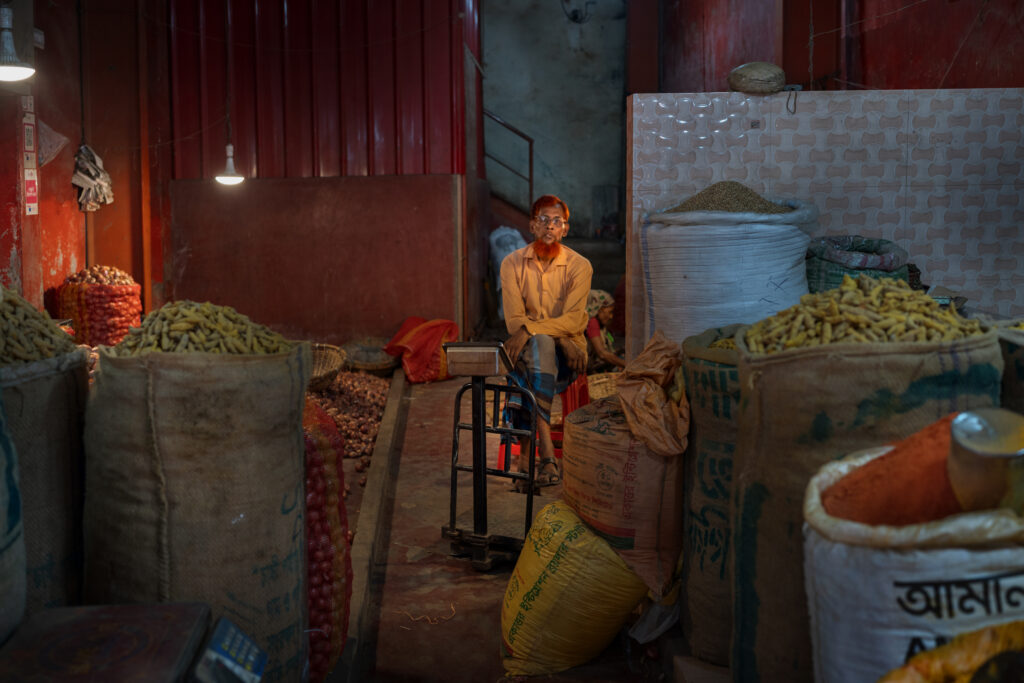
Project Unleaded, run out of Stanford University, is building on important work that identified spices as a key source of lead exposure in Bangladesh. That research led to a national ban on adulterated turmeric and reduced blood lead levels by approximately 30% in tested samples. With our support, the team is now expanding across multiple countries, conducting blood lead level surveys, assessing spice contamination, developing mitigation controls, and studying airborne lead exposure from lead-acid battery recycling.
Partnership for a Lead-Free Future
The Partnership for a Lead-Free Future (PLF), a global public-private partnership launched in 2024 to reduce lead exposure in low- and middle-income countries, is building momentum. Despite staffing challenges partly driven by USAID’s collapse, PLF successfully onboarded its full leadership team in 2025. Since March, PLF has added five countries and 12 nongovernmental organizations to its membership. One of those organizations was Bloomberg Philanthropies — a sign that the field’s major funders are working together.
Air Quality Fund
Air pollution kills an estimated 4 million people in low- and middle-income countries each year, yet nearly 40% of countries lack comprehensive public air quality data. Our Air Quality Fund supports efforts to fill these data gaps and drive policy action to reduce air pollution.
EPIC Air Quality Data Gaps Fund and Ghana legislation
Ghana’s Parliament passed new air quality legislation in 2025, laying the groundwork for monitoring and enforcement standards.
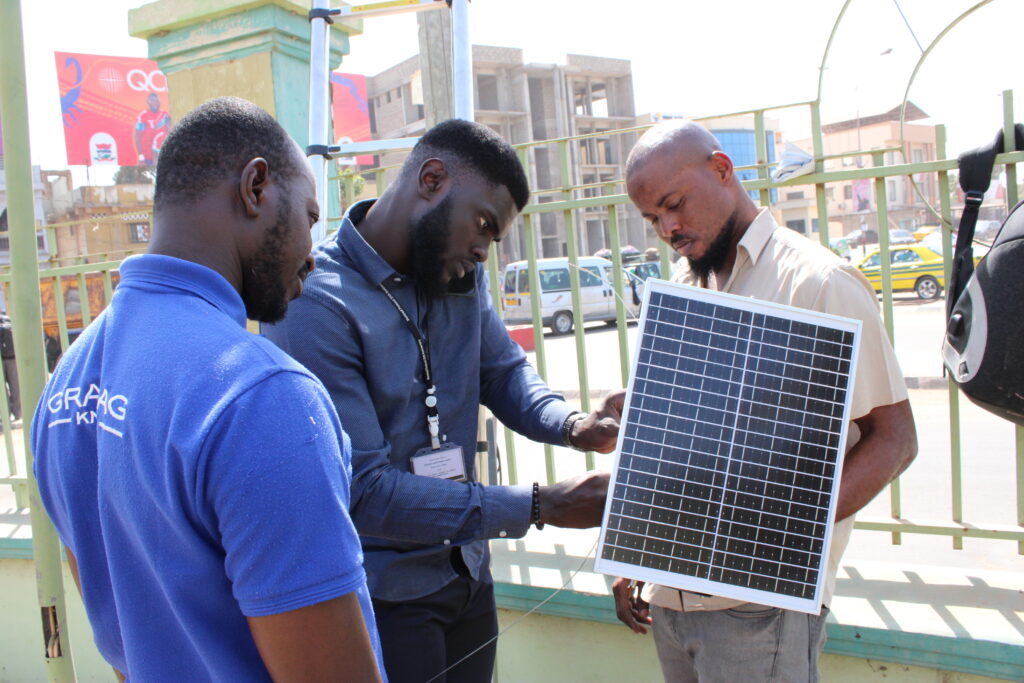
Ghana is at least the third country in Africa (after the Gambia and Nigeria) where modest monitoring grants from the EPIC Air Quality Data Gaps Fund appear to have catalyzed national legislation or action plans. The CEO of Ghana’s Environmental Protection Agency specifically recognized EPIC, which provided funding to set up air quality monitors in Tema, a major industrial city.
Council on Energy, Environment and Water
We provided timely support to the Council on Energy, Environment and Water (CEEW), a leading Indian think tank, after USAID assistance was frozen. This funding allowed CEEW’s air quality team to continue its research and data analysis on air pollution from cooking, crop residue burning, and other sources.
Science and Global Health R&D
Health technologies like vaccines, drugs, and diagnostics have saved millions of lives worldwide. Yet relatively few exist for certain high-burden diseases — especially those that primarily affect individuals in low- and middle-income countries (LMICs). Our Science and Global Health Research & Development Fund aims to address these gaps by supporting the development and distribution of health technologies, focusing on diseases like tuberculosis, malaria, and sickle cell.
Hemex Health (Sickle cell disease diagnostics)
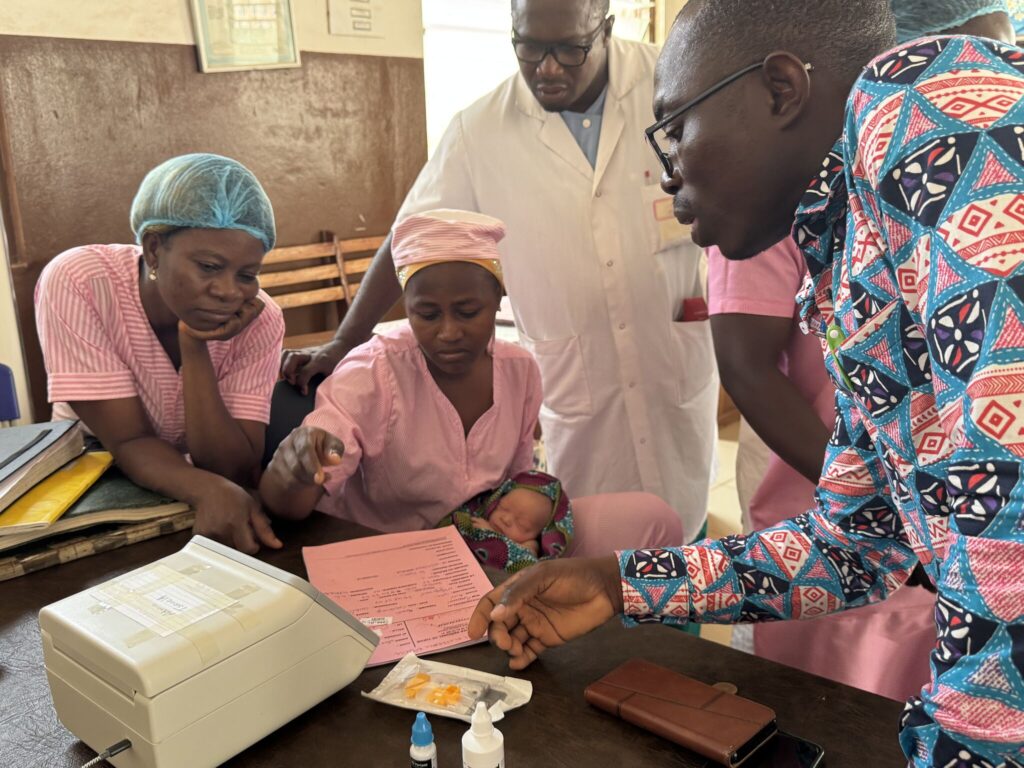
Hemex Health, a point-of-care diagnostics company we supported, has achieved remarkable scale in addressing sickle cell disease. They now have over 3,300 Gazelle readers deployed across 40 countries, with roughly 3 million tests sold. The company estimates that early diagnosis through their tests has helped save the lives of at least 30,000 children.
Hemex has secured several government partnerships, with particular success in India. The state of Odisha (over 40 million people) adopted Hemex’s test for all neonates in early 2024 as part of India’s national sickle cell elimination mission, with Tamil Nadu following suit. Hemex is now pursuing partnerships in three more Indian states, and is working with the Clinton Health Access Initiative in Ghana and Tanzania. The company has also moved beyond sickle cell; it’s in the early stages of releasing a rapid, highly accurate test for anemia, another significant problem in many LMICs. Hemex’s solid unit economics make this a promising model for affordable diagnostics in resource-limited settings.
Clinton Health Access Initiative (Drug-resistant tuberculosis treatment)
As part of market shaping work we supported, the Clinton Health Access Initiative secured major price reductions for drug-resistant tuberculosis treatment. The Global Drug Facility, which facilitates global access to TB diagnostics and treatments, can now purchase a 6-month oral treatment regimen for multidrug-resistant TB at $310, down from $400. Some countries have negotiated prices down even further, to $285. CHAI projects approximately $45 million in savings through 2028 from these price reductions alone, and other manufacturers have dropped their prices in order to compete. Lupin also completed registration for pretomanid (one of the regimen’s components) to address supply shortages that were limiting patient access.
Malaria prevention research
Research we supported into innovative malaria bed nets was published in Nature. The study identified compounds that can be incorporated into bed nets to inhibit the mosquito-stage development of malaria parasites, offering a promising new tool in malaria prevention.
Christian Happi and the Sentinel Project
Christian Happi, Director of the African Centre of Excellence for Genomics of Infectious Diseases, was named one of TIME‘s 100 Most Influential People of 2025 for his work on viral outbreaks. We funded Happi’s Sentinel project, which develops technologies for early detection and rapid containment of viral outbreaks in West Africa. The Sentinel project has helped improve pandemic response infrastructure in the region and played a role in responding to COVID-19, Mpox, and Ebola.
Abundance & Growth Fund
Our Abundance & Growth Fund aims to boost economic growth and accelerate scientific and technological progress. The fund works to increase the rate of discovery and invention, and to remove policy blockers in areas such as housing, energy, and new drugs.
CA YIMBY (California housing reform)
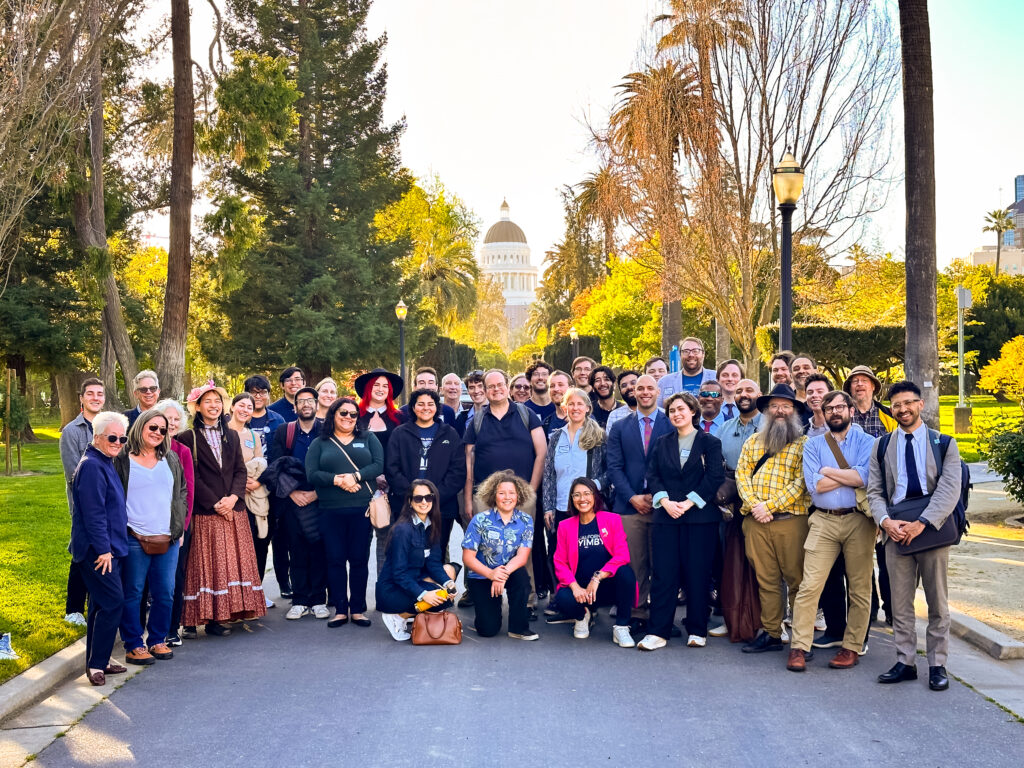
California passed SB 79, which legalizes the construction of multifamily homes up to nine stories tall near high-frequency transit and could lead to the construction of hundreds of thousands more homes. The bill was a major victory for our grantee CA YIMBY, who were co-sponsors and helped assemble a coalition behind it.
Sightline Institute and Futurewise (Washington)
Washington State passed two major housing bills in 2025, advancing statewide zoning reform. Our grantee Sightline Institute played a key role in both victories, working alongside our other grantee Futurewise to build coalition support. The state passed HB 1491, a transit-oriented development (TOD) bill expected to enable significant new housing capacity. HB 1491 made statewide inclusionary zoning possible by structuring it through a property tax holiday — a creative approach Sightline championed to bring initially resistant advocates on board.
The state also passed SB 5184, a major parking reform bill. Together, these reforms represent significant progress in addressing Washington’s housing shortage by reducing costly parking requirements and removing barriers to denser, more affordable development near transit.
Farm Animal Welfare Fund
Roughly 145 billion animals live on factory farms worldwide. Our Farm Animal Welfare Fund supports efforts to improve the lives of these animals and reduce the number that are raised on factory farms in the future.
L214 (France)
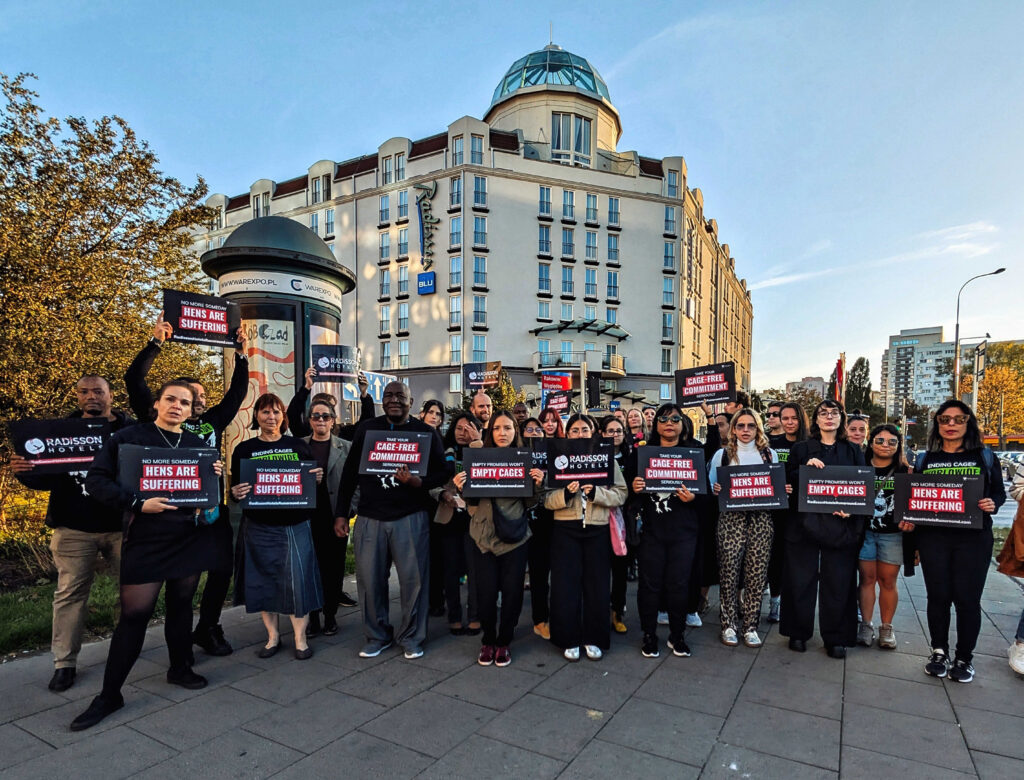
France’s largest chicken producer, LDC Group, committed to adopting the European Chicken Commitment for its two leading brands by 2028. L214, which led the advocacy campaign that convinced LDC to make this commitment, estimates that it will cover about 40% of the French chicken market, or up to 400 million chickens per year.
Albert Schweitzer Foundation (Germany)
Following advocacy from the Albert Schweitzer Foundation, Germany’s largest retailer, Edeka, committed to making all of its own-brand chicken products compliant with Germany’s equivalent of the European Chicken Commitment by the end of 2030. The Foundation’s work has also convinced major German chicken producers like Plukon and Wiesenhof to transition to higher-welfare production methods. We estimate that the LDC and Edeka commitments will affect approximately 19 million chickens alive at any time (or 165 million per year).
Progress on in-ovo sexing
The first in-ovo sexed eggs went on sale in the United States in 2025. At least 28% of the EU’s hen flock has now been sexed with in-ovo technology, sparing over 175 million chicks from being hatched and killed. This represents a major milestone for humane egg production and builds on years of work by grantees such as Innovate Animal Ag and the Foundation for Food and Agriculture Research.
Open Wing Alliance
The Open Wing Alliance recently reported that 92% of cage-free egg commitments with deadlines of 2024 or earlier have been fulfilled. While the total share of fulfilled commitments is expected to fall as 2025 deadlines come due, this figure still represents significant progress.
Waitrose, a leading U.K. retailer, reported that all of its own-brand chicken now complies with the Better Chicken Commitment, making it a top-10 U.K. retailer in terms of welfare standards.
Global Aid Policy Fund
Our Global Aid Policy Fund supports advocacy, technical assistance, and research to increase the amount high-income countries spend on aid, and to encourage more cost-effective aid spending.
Pandemic Action Network
The Pandemic Action Network helped organize a 95-member coalition of large European NGOs to request that the European Commission grow its 2028–2034 budget framework from €110 to 200 billion. This was accepted into the European Commission’s draft budget proposal — a promising first step, though the final budget remains subject to negotiation.
ONE and Kooperation Global (Germany)
Our grantees ONE and Kooperation Global worked to support the German government’s commitment to provide a €100 million debt-for-health swap for the Global Fund, pending Parliamentary approval.
Effective Giving & Careers Fund
Our Effective Giving & Careers Fund supports organizations and projects that enable people to use their donations and careers to improve the lives of humans and animals as much as possible. The fund’s grantees raise money for highly impactful charities and incubate promising new ones, as well as conduct research on cost-effective interventions.
Giving What We Can
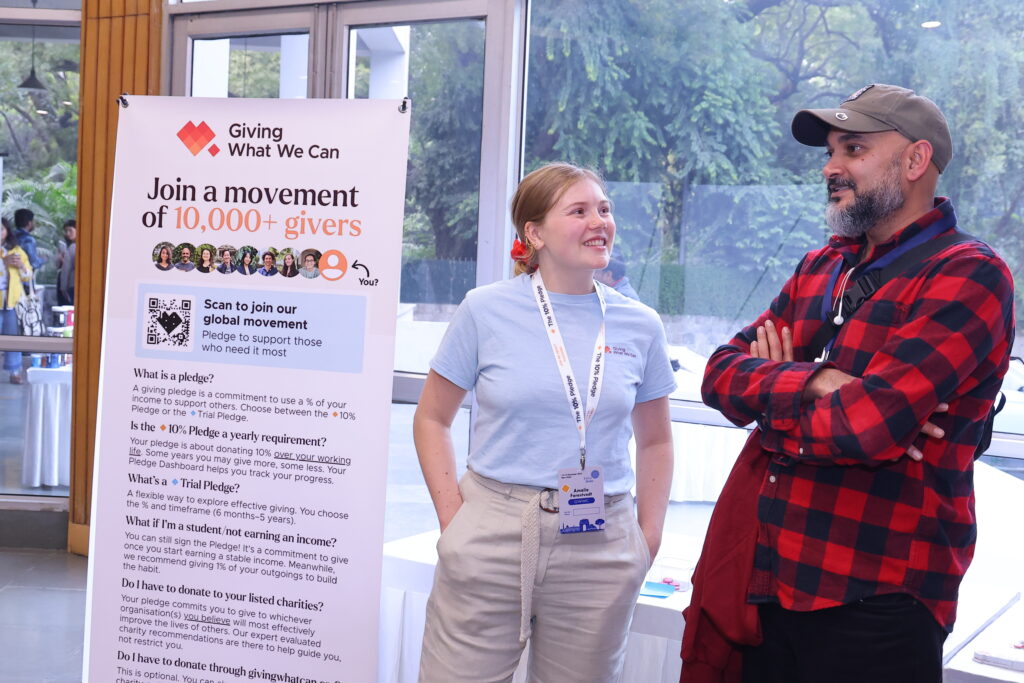
Giving What We Can reached 10,000 pledgers in 2025. This means that over 10,000 people from 116 countries have pledged to give at least 10% of their income to charity.
Animal Advocacy Careers
We supported Animal Advocacy Careers to run a policy-focused fellowship, which helped fellows secure placements in the European Commission via the Blue Book Traineeship. This builds on AAC’s earlier pilot focused on animal welfare, which helped fellows achieve a high acceptance rate.
Doneer Effectief
Doneer Effectief, a Dutch grantee focused on effective giving, raised over $9 million for effective charities in 2025 (in addition to writing a book about effective giving, which will be published in March 2026).
Global Growth Fund
In mid-2025, we launched our Global Growth Fund, which has started making grants and will accelerate grantmaking in 2026. The Fund aims to support economic development and growth in low- and middle-income countries by funding research, policy advice, and mission-driven businesses that address critical needs in these regions.
These are just a fraction of the hundreds of great people and organizations supported by programs within our Global Health and Wellbeing portfolio. We are proud to support our grantees as they work to improve the lives of people and animals worldwide.
If you want to support this work, many of our grantees accept direct donations. Follow these links to support the Lead Exposure Elimination Project, The Humane League, CA YIMBY, the Albert Schweitzer Foundation, Giving What We Can, and Doneer Effectief. You can find other staff recommendations for individual donors on our website.