- Good Ventures
- Livelihood Impact Fund
- Private Funders (x1)
Interested in learning more or joining the fund? Reach out to partnerwithus@coefficientgiving.org.

We support work to help countries strengthen their health systems in an era of declining aid.
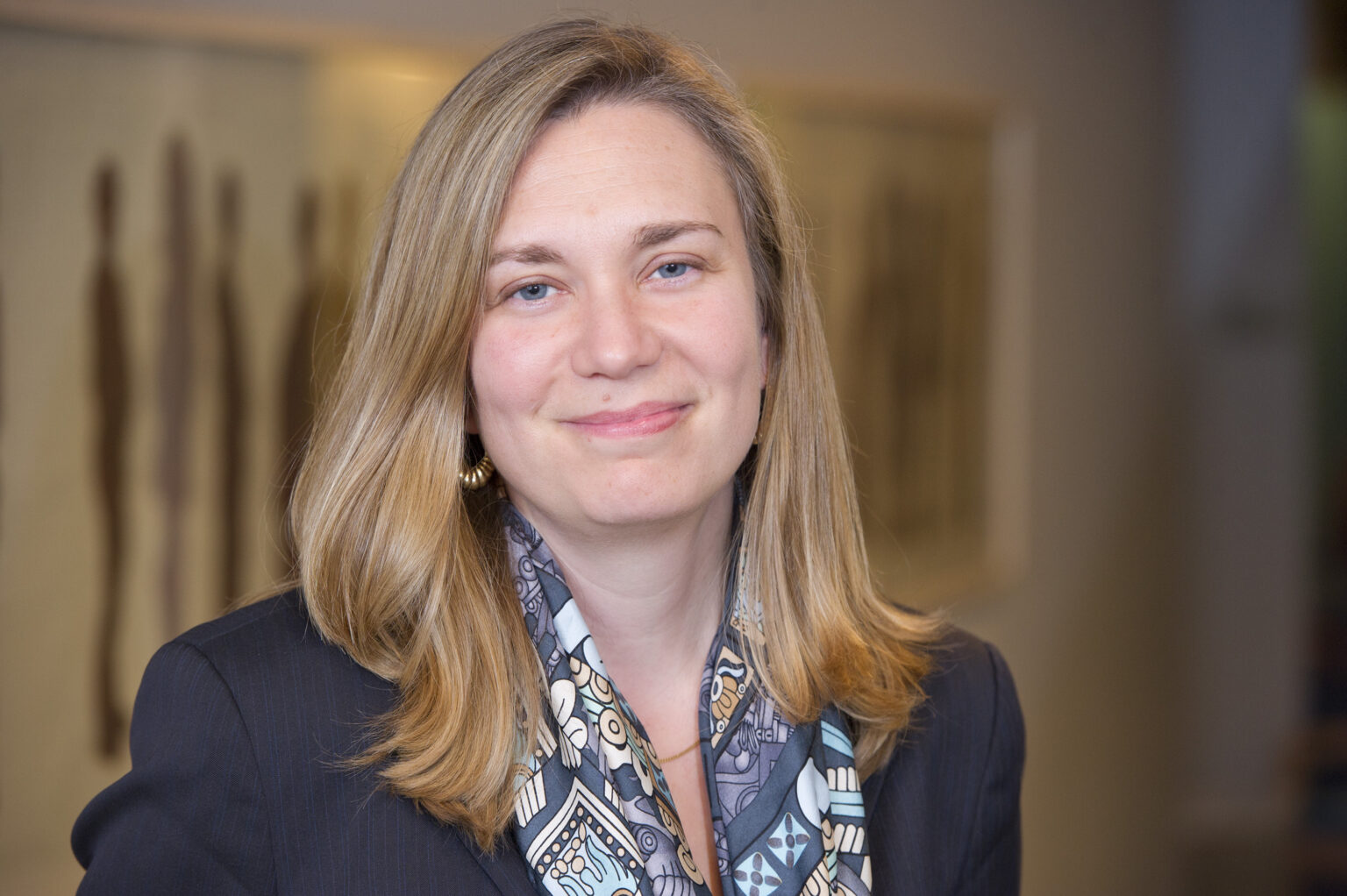
Managing Director, Global Health and Development Policy

Senior Program Officer
Aid is falling faster than at any point on record. Total assistance dropped by more than 20% in 2025 and is projected to keep falling, leaving health aid more than 25% below its 2024 levels by 2030. Dozens of low- and middle-income countries now face a generational challenge: adjusting to a future where functions that external funders financed and delivered for decades — frontline health workers, supply chains, data systems — must now move under national ownership.
Over the next few years, governments will decide which donor-funded functions to absorb, which to cut, and how to deliver care with fewer resources. Those decisions will shape health systems for years to come. The funding shortfall itself is far too big for philanthropy to fill — but philanthropy is well-placed to meet high demand from governments for technical assistance as they make this transition.
We aim to support countries through the immediate transition, and help them to build health systems that do more with the resources they have. Our strategy focuses on four areas:
While we focus primarily on technical assistance, we also fund services directly when philanthropic funding can unlock bilateral aid that would otherwise go unspent or give governments room to pursue more ambitious reforms.
We expect to recommend $165 million in grants over the fund’s first three years, with support from Good Ventures, the Livelihood Impact Fund, and a private donor. Learn more about why we think this transition is so consequential and what the fund seeks to achieve.

In September 2026, we announced the Health Aid Transition Fund with support from multiple donors, building on roughly $18 million in grantmaking (largely for technical teams helping countries manage the transition). Grants made prior to this fund were supported only by Good Ventures, and are labeled with a parenthetical note.